Skeleton Fishing
First Impressions: A Design with Soul and Purpose
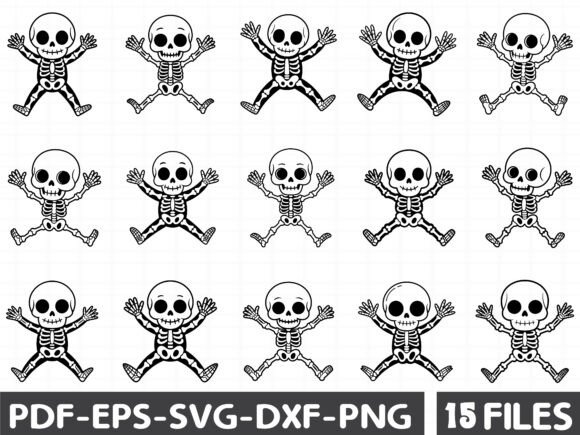
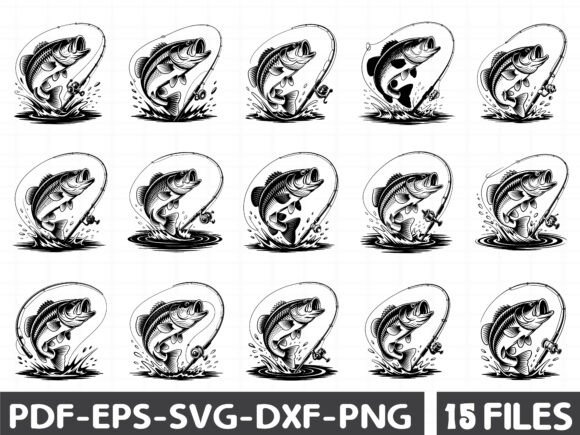
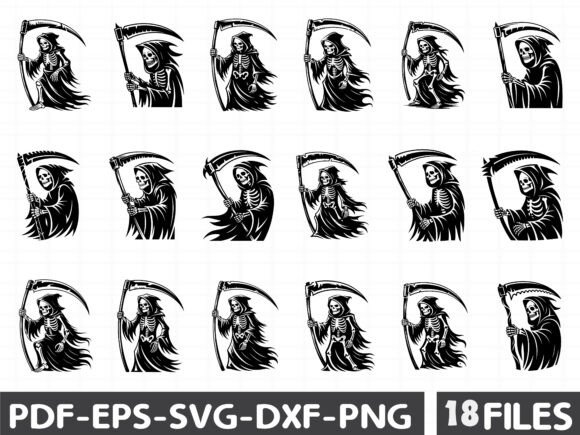
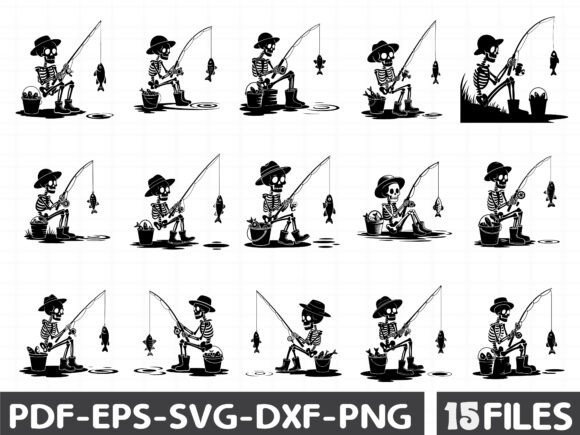
Skeleton Fishing immediately strikes a balance between whimsy and elegance. The design feels intentionally crafted, with a playful yet refined aesthetic that suggests it could work in both casual and more formal settings. The skeletal structure is clean and stylized, avoiding the cliché of overly detailed or cartoonish figures. This makes it versatile for a range of applications—from subtle embroidery accents to more prominent custom apparel projects.
Real-Life Scenario: Custom Embroidered Tote Bag
Imagine preparing a custom embroidered tote bag for a local craft fair. Skeleton Fishing would fit naturally as a secondary design element, perhaps on the back pocket or as a small decorative motif near the handle. Its simplicity allows it to blend seamlessly with other elements while still making an impression. It’s not overwhelming, but it does carry a unique visual personality that can elevate the overall look of the product.
When stitched, the design maintains its clarity and detail without becoming cluttered. The skeletal form is bold enough to stand out but not so intricate that it loses definition when scaled down. This makes it ideal for smaller hoop sizes or for use on delicate fabrics where too much detail might cause issues with stitch density.
Performance in Real-World Embroidery Projects
Skeleton Fishing performs well in a variety of embroidery applications, including custom apparel, sweatshirts, tote bags, baby clothes, caps, and patches. Its clean lines and structured form make it suitable for both satin stitch and fill stitch techniques, allowing for a range of visual effects depending on the desired outcome.
On a sweatshirt, it could serve as a subtle signature or a fun, eye-catching detail. On a cap, it might be used as a decorative accent, adding character without being distracting. For a patch, it offers a modern, minimalist look that aligns well with contemporary fashion trends.
However, there are situations where Skeleton Fishing may require careful consideration. For instance, on thin or stretchy fabrics, the design may lose some of its crispness due to fabric movement during stitching. In such cases, using a proper stabilizer becomes essential to maintain the integrity of the design.
Design Considerations for Handmade Products
As a handmade product, Skeleton Fishing brings a level of personalization that appeals to crafters and Etsy sellers looking to add unique touches to their offerings. Its versatility means it can be adapted for various markets, from personalized gifts to boutique branding. The design's clean lines also make it easy to incorporate into printable mockups and digital previews, helping to showcase the final product effectively.
When considering customer trust and brand consistency, the design’s visual appeal plays a key role. It’s not overly complex, which helps avoid confusion or misinterpretation. At the same time, its distinctiveness ensures it stands out in a competitive market. This balance is crucial for small shop products and craft fair items that rely on first impressions to capture attention.
Practical Designer Notes
- Test on Scrap Fabric: Always test the design on scrap fabric before committing to a final project. This helps identify any potential issues with stitch density or fabric compatibility.
- Check Thread Color Contrast: Ensure the thread colors provide sufficient contrast against the chosen fabric background. Lighter threads on dark fabrics may not show up clearly.
- Review Stitch Density: Confirm that the stitch density is appropriate for the intended use. Dense areas should not cause strain on the machine or lead to uneven stitching.
- Confirm Hoop Size: Make sure the design fits comfortably within the hoop size you plan to use. Overcrowding can lead to poor results and increased risk of errors.
- Inspect Small Details: Pay close attention to tiny lettering or intricate corners, especially if the design will be used on curved surfaces like caps or aprons.
- Test in Black and White Mockups: Use black and white previews to assess how the design will appear on different fabric backgrounds, ensuring it remains legible and visually appealing.
- Use Proper Stabilizer: Select a stabilizer that supports the specific fabric type and design complexity. This helps maintain the design’s shape and prevents puckering.
- Check Licensing Terms: If planning to sell finished items or digital products, confirm the licensing terms to ensure compliance with usage rights.
Final Thoughts on Skeleton Fishing
Skeleton Fishing is a thoughtful, well-crafted design that offers a great deal of flexibility for embroidery designers and crafters. Its clean, stylized approach makes it suitable for a wide range of projects, from personalized gifts to commercial embroidery. While it has its limitations—particularly on certain fabrics or in high-density stitch areas—it is a reliable choice when used appropriately.
For those looking to add a touch of originality to their handmade products, Skeleton Fishing is a solid option. It brings a sense of personality and professionalism to any project, making it a valuable addition to any designer’s toolkit. Whether you're creating custom apparel, holiday gifts, or boutique branding, this design has the potential to enhance your offerings in meaningful ways.