Mother’s Day Teddy Bear Clipart for Graphics and Illustrations
A First Impression of Warmth and Sentiment
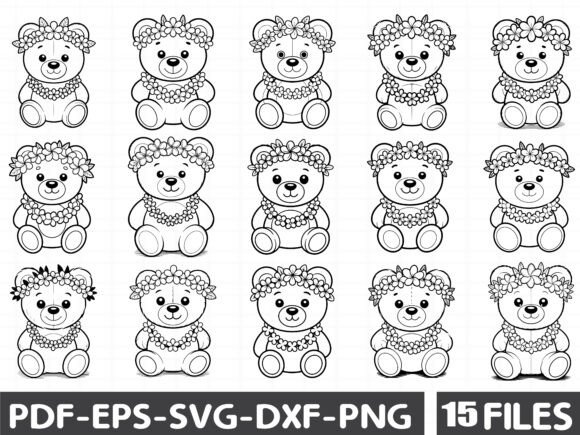
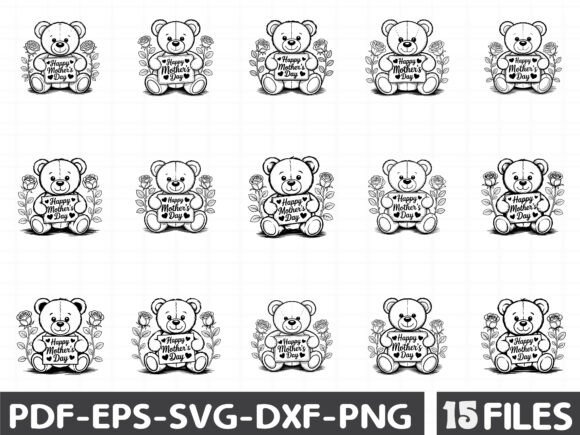
The first time I saw Mother’s Day Teddy Bear Clipart, I was struck by its emotional resonance. The designs are soft, comforting, and instantly relatable. Each teddy bear is rendered with a level of detail that suggests care and intention—subtle stitching, textured fabric, and gentle expressions that evoke nostalgia and affection. This makes the clipart ideal for projects targeting mothers, families, or anyone who values sentimental connections.
Visual Style and Mood
The overall style leans toward a modern yet handcrafted aesthetic. It blends digital precision with a touch of warmth, making it versatile for both contemporary and artisanal branding. The color palette is muted and inviting, often featuring pastels and earth tones that feel approachable and safe. This visual language is perfect for projects that aim to create a heartfelt, genuine tone without being overly dramatic.
Fitting Projects and Client Types
This clipart would be an excellent fit for small businesses, handmade brands, and boutique product lines that want to convey emotion through their visuals. Imagine a local boutique selling Mother’s Day-themed products, or a digital seller creating printable wall art for customers. The clipart could also support seasonal campaigns, like a Mother’s Day promotion for an Etsy shop or a print-on-demand brand.
For designers working on branding for family-oriented businesses, this asset can help establish a consistent and warm visual identity. It works well in logo design, where a simple teddy bear can become a recognizable symbol of love and appreciation. It also fits into packaging design, especially for gift boxes or personalized items.
Real-World Design Applications
When testing the clipart in various contexts, it performed admirably in several areas. For instance, it worked well as a hero graphic in social media posts, adding a personal touch to promotional content. On product mockups, it added a charming detail that enhanced the overall appeal of the item. In editorial design, it served as a decorative accent, helping to break up text while maintaining a cohesive visual flow.
It also proved useful in t-shirt and mug design, where the simplicity of the teddy bear allowed it to stand out without overwhelming the viewer. When used as a sticker design or part of a Canva template, it offered flexibility and ease of customization, which is crucial for creative marketplaces and digital sellers.
Best Use Cases
- Large Layouts: The clipart thrives in large spaces, such as posters, banners, and website headers, where it can be scaled up without losing clarity.
- Hero Graphics: It’s an excellent choice for main visuals in marketing campaigns, where it can draw attention and set the emotional tone.
- Product Mockups: Its clean lines and subtle details make it a great addition to product images, especially for gifts and home decor items.
- Themed Collections: It fits seamlessly into themed collections, such as Mother’s Day, Valentine’s Day, or holiday campaigns.
- Social Media Graphics: The clipart adds a personal and relatable element to Instagram stories, Pinterest pins, and Facebook ads.
Use with Caution
However, there are scenarios where the clipart might not perform as well. At smaller sizes, the intricate details can become lost, making it less effective for use in logos or minimalist branding. It also doesn’t always work well in complex backgrounds, where it can get overshadowed or lose its impact. In professional corporate materials, the playful nature of the design might clash with the expected formality.
Additionally, when placed alongside very clean visual hierarchies, the teddy bear can disrupt the balance. It’s best suited for projects that embrace a more whimsical or heartfelt approach rather than a strictly professional one.
Design Considerations Before Use
As a designer, I recommend testing the clipart in black and white to ensure it maintains its visual weight and legibility. Checking contrast on both light and dark backgrounds is essential to maintain readability across different platforms. Previewing the design at small and large sizes helps identify any scaling issues, especially when preparing for print or digital use.
Testing the clipart on real mockups, whether for packaging or web design, provides a clearer sense of how it will function in the final product. Confirming the file formats—SVG, PNG, DXF, EPS, PDF—is also important, as each format has its own strengths depending on the project’s needs. For example, SVG files offer scalability for web and digital use, while PNGs are better for print and transparent backgrounds.
If transparency is included, inspecting the PNG files for any unexpected edges or artifacts is crucial. When using vector formats like SVG, ensuring they are editable in design software like Adobe Illustrator or Inkscape is a must for customizing the clipart further.
Commercial Licensing and Brand Consistency
Before incorporating the clipart into a client project, verifying the commercial license is essential. This ensures that the design can be used for business purposes without legal complications. Maintaining brand consistency is also key—using the clipart in a way that aligns with the client’s overall visual strategy will help reinforce their identity.
Finally, consider how the clipart affects the emotional appeal and audience engagement of the design. A well-placed teddy bear can create a stronger connection with viewers, enhancing the overall impact of the project.